
The First Home Owner Grant (FHOG) is a one-off government payment for eligible first home buyers buying or building a new home. It's funded and run by each state and territory, so the amount, eligibility and property value caps depend on where you buy.

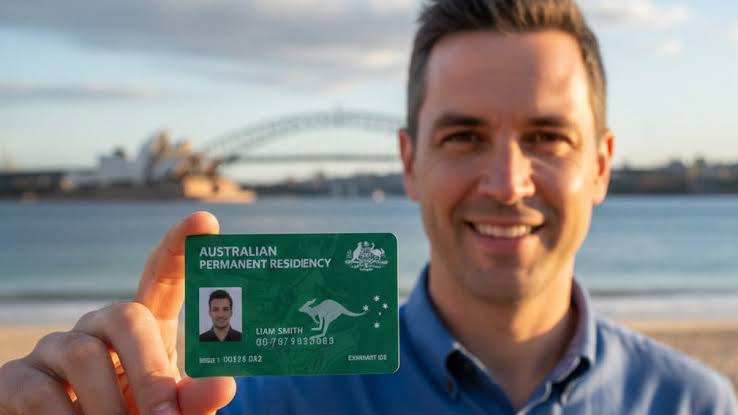
Rules vary by state, but generally you must be at least 18 and apply as an individual (not a company or trust), at least one applicant must be an Australian citizen or permanent resident, and neither you nor your spouse or partner can have received a grant before or owned and lived in a home in Australia. The property must be a new home, such as a brand-new build, an off-the-plan purchase or a substantially renovated home that hasn't been lived in. The price must be under your state's cap where one applies, and you must move in within 12 months and live there for the minimum period, usually 6 to 12 months.
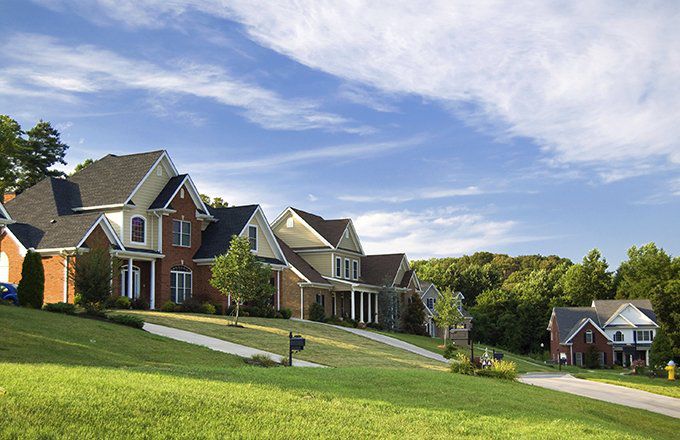
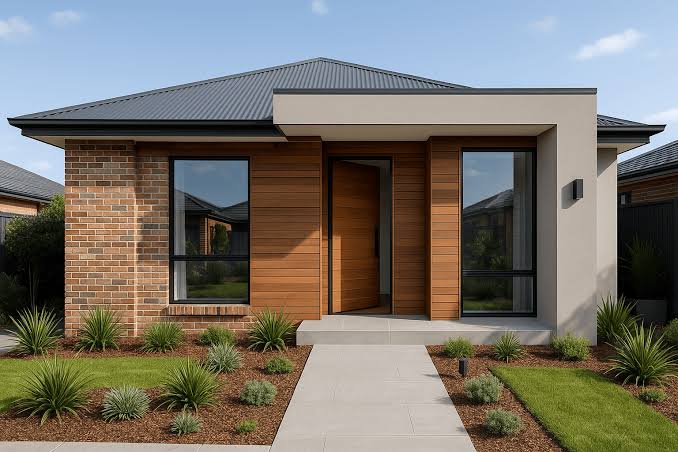
Eligible properties include new homes that haven't been lived in or sold as a residence, off-the-plan homes, substantially renovated homes bought from a developer, house and land packages or comprehensive building contracts, and owner-builder homes in some states. You can't use the grant for an established home, an investment or holiday home, vacant land on its own, caravans and other movable dwellings, or sheds and garages. In South Australia, knock-down rebuild projects are only eligible for contracts signed before 13 February 2025.
| State or territory | Grant | Property value cap | Notes |
|---|---|---|---|
| New South Wales | $10,000 | $600,000 new home; $750,000 land and build | New homes only |
| Victoria | $10,000 | $750,000 | New homes only |
| Queensland | $30,000 | Under $750,000 | Contracts from 20 November 2023; extended beyond 30 June 2026 |
| Western Australia | $10,000 | $800,000 south of 26th parallel; $1,000,000 north | Cap raised from $750,000 on 7 May 2026 |
| South Australia | $15,000 | No cap | New homes; no stamp duty on new homes for first home buyers |
| Tasmania | $20,000 | No cap | New homes; increased in the 2026–27 Budget |
| Northern Territory | $50,000 HomeGrown Territory Grant | No cap | New homes; contracts to 30 September 2027 |
| ACT | No grant | n/a | No stamp duty for eligible first home buyers from 1 July 2026 |
Grant amounts and caps change often. Always confirm with your state revenue office before you sign.

To keep the grant, you must generally move in within 12 months of settlement, or of the home being ready to live in if you're building, and live there continuously for the minimum period (six months in South Australia, 12 months in the Northern Territory). If there are several applicants, in South Australia at least one must meet this rule. After that, you can rent out or sell the property without having to repay the grant. In South Australia you can rent out the home before you move in, or rent out a room while you live there, as long as the residence requirement is met. Defense Force members may be able to get an exemption.
If you apply through your lender as an approved agent, the grant is usually paid at settlement for a new or off-the-plan home, or with the first construction progress payment if you're building. Owner-builders are paid once the home is complete and ready to live in. If you apply directly to your state revenue office (Revenue SA in South Australia), it's usually paid within a few business days of approval once you provide proof of settlement or your first progress payment invoice. Missing documents are the most common cause of delays.
The FHOG is a cash payment, while stamp duty concessions reduce the tax you pay. Buying a new home can mean you get both, but an established home usually only qualifies for stamp duty relief, if any.
| Feature | First Home Owner Grant | Stamp duty concession |
|---|---|---|
| Type of benefit | Cash grant | Reduction or exemption from stamp duty |
| Property type | Usually new homes only | Often new and established homes (varies by state) |
| How you get it | Paid to you or your lender | Reduces the duty you pay at settlement |
| Who sets the rules | Your state or territory | Your state or territory |
On top of the $15,000 grant, there's no stamp duty on new homes or vacant land, the 5% Deposit Scheme for a smaller deposit, and HomeStart shared equity options.
Yes, in some states: $15,000 in South Australia, $20,000 in Tasmania, $30,000 in Queensland and $50,000 in the Northern Territory, subject to current rules.
Yes. Both must meet the rules, at least one must be a citizen or permanent resident, and neither can have received a grant or owned and lived in a home in Australia before.
Generally no, although limited exceptions can apply, such as a property you owned but never lived in. It depends on your state.
Usually no. The Northern Territory is an exception for some buyers. Most states only offer it for new or substantially renovated homes.
Not for land alone. You can apply once you sign a contract to build your first home on it.
No, as long as you met the residence requirement first.
No. It isn't counted as taxable income.
Yes. Many buyers combine it with the 5% Deposit Scheme, stamp duty concessions and FHSS savings.
Tell us where and what you're buying and we'll be in touch within one business day. There's no obligation and no cost for an initial chat.



Kubaer Finance helps working families and migrants in Adelaide secure home, car, and investment loans with personalised guidance.